Buy xuum.eu ?
We are moving the project
xuum.eu .
Are you interested in purchasing the domain
xuum.eu ?
domain@kv-gmbh.de · 0541-91531010
Buy xuum.eu ?
How do the abiotic environmental factors temperature, light, and water affect the ocean?
Temperature, light, and water are critical abiotic environmental factors that affect the ocean in various ways. Temperature influences the distribution and behavior of marine organisms, as well as the ocean's circulation patterns. Light availability affects photosynthesis and primary production, which in turn impacts the entire marine food web. Water availability, in the form of salinity and nutrient content, influences the density and composition of marine life. Overall, these abiotic factors play a crucial role in shaping the physical and biological characteristics of the ocean ecosystem. **
What are abiotic factors in ecology?
Abiotic factors in ecology are non-living components of an ecosystem that can influence the living organisms within it. These factors include physical and chemical elements such as temperature, sunlight, water, soil, air, and nutrients. Abiotic factors play a crucial role in shaping the environment and determining the types of organisms that can survive in a particular ecosystem. They can also affect the distribution, behavior, and abundance of species within an ecosystem. **


Similar search terms for Abiotic Water
Top-Angebote
Products related to Abiotic Water:
-
Uplift Essentials Multifunction Soft Silicone Scraper High Efficiency Water Blade & Tinting Tool redExperience a streakfree finish every time with the Multifunction Auto Window Clean Scraper. This professionalgrade water blade wiper is engineered with a highflexibility soft silicone edge that contours to the shape of your vehicle's glass, ensuring...35,97 $*Shipping: 0,00 $Secure redirect to the provider
-
Uplift Essentials Ceramic Pet Water Fountain With Digital Display water DispenserElevate your pets hydration with this premium Ceramic Pet Water Fountain. Combining the natural, hygienic benefits of highfired ceramic with modern smart technology, this 2.3L dispenser ensures your pet always has access to clean, flowing water....213,97 $*Shipping: 0,00 $Secure redirect to the provider
-
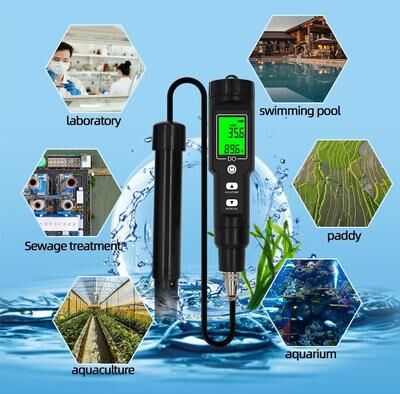
Uplifted Goods Digital Dissolved Oxygen Meter For Water Quality Testing Digital Dissolved Oxygen Meter For Water Quality TestingEnsure accurate and reliable water analysis with the Digital Dissolved Oxygen Meter for Water Quality Testing. This professional waterproof tester measures oxygen concentration and temperature with precision, making it ideal for aquariums,...178,97 $*Shipping: 0,00 $Secure redirect to the provider
-
Smart Shopping Spot Military Digital Watch Water Resistant Outdoor Sports Watch Military Digital Watch Water Resistant Outdoor Sports WatchBuilt for days that demand more from your gear, the NORTH EDGE Fortress keeps essential timing functions right on your wrist. This rugged outdoor sports watch combines analog and digital timekeeping with world time across 33 time zones, a stopwatch,...64,97 $*Shipping: 0,00 $Secure redirect to the provider



-
What are abiotic factors in the Antarctic?
Abiotic factors in the Antarctic include extreme cold temperatures, strong winds, low precipitation, and high levels of ultraviolet radiation due to the hole in the ozone layer. The frozen landscape is also a significant abiotic factor, as the ice and snow cover much of the continent. These abiotic factors create a harsh environment that shapes the unique ecosystems and limits the types of organisms that can survive in the Antarctic. **
-
Which biotic and abiotic factors influence the sea?
Biotic factors that influence the sea include the presence of marine plants and animals, which contribute to the overall ecosystem and food web. These organisms play a crucial role in the health and balance of the marine environment. Abiotic factors such as temperature, sunlight, water chemistry, and currents also have a significant impact on the sea. These factors affect the physical and chemical properties of the water, as well as the distribution and behavior of marine life. Overall, both biotic and abiotic factors play a crucial role in shaping the marine environment and its inhabitants. **
-
Do tides belong to the abiotic environmental factors?
Yes, tides belong to the abiotic environmental factors. Abiotic factors are non-living components of an ecosystem, and tides are the result of the gravitational pull of the moon and the sun on the Earth's oceans. Tides play a significant role in shaping coastal ecosystems and influencing the distribution of marine organisms. Therefore, they are considered an important abiotic factor in marine environments. **
-
What do abiotic and biotic environmental factors mean?
Abiotic environmental factors refer to non-living components of an ecosystem, such as temperature, sunlight, water, and soil. These factors can have a significant impact on the survival and distribution of living organisms within an ecosystem. Biotic environmental factors, on the other hand, refer to the living components of an ecosystem, including plants, animals, and microorganisms. These factors can also influence the dynamics of an ecosystem through interactions such as predation, competition, and symbiosis. Both abiotic and biotic factors play crucial roles in shaping the structure and function of ecosystems. **


What are abiotic and biotic factors in biology?
Abiotic factors in biology are non-living components of an ecosystem, such as temperature, sunlight, water, and soil. These factors can have a significant impact on the organisms living in the ecosystem. Biotic factors, on the other hand, are living components of an ecosystem, including plants, animals, fungi, and microorganisms. These factors interact with each other and with the abiotic factors to create a complex and dynamic environment. Both abiotic and biotic factors play crucial roles in shaping the structure and function of ecosystems. **
What are application tasks related to abiotic factors?
Application tasks related to abiotic factors involve studying the impact of non-living elements such as temperature, water availability, soil composition, and sunlight on various ecosystems. Researchers may investigate how changes in these abiotic factors affect plant growth, animal behavior, and overall ecosystem health. Understanding these relationships is crucial for predicting and managing the effects of climate change, land use changes, and other environmental disturbances on ecosystems. By studying abiotic factors, scientists can develop strategies to conserve biodiversity, restore degraded habitats, and promote sustainable resource management. **
Top-Angebote
Products related to Abiotic Water:
-
Pan Make Brilliant Work: Lessons on Creativity, Innovation and Success by Rod Judkins - Paperback - Self-Help/Business Creativity Guide, Author ofMake Brilliant Work is an inspiring guide by Rod Judkins, drawing on the real-life stories of visionaries from Frida Kahlo to Steve Jobs. This paperback book reveals the methods and mindsets that turn ordinary effort into extraordinary results. Judkins proves that talent alone never guaranteed success — persistence, risk-taking and original thinking did. A motivating read for anyone wanting to unlock their creative potential at work or in life. The book profiles figures who failed at school, were told they lacked talent, or were fired more than once, yet went on to achieve great things. Written by Rod Judkins, published by Pan Macmillan, this book is a reassuring truth: you don't have to be naturally brilliant to produce brilliant work.2,99 £*Shipping: 2,99 £Secure redirect to the provider
-
Drop Dash Deals Cat Water Fountain Filters For Pet Fountains Triple Filtration, High Efficiency Replacement Filter Cat Water Fountain Filters For Pet Fountains Triple Filtration, High Efficiency Replacement FilterKeep your pet's water fresh and clean with our Cat Water Fountain Filters. Specially designed for PETLIBRO 2.5L84oz fountains, this 20pack replacement filter ensures your furry friend always enjoys pure, filtered water. With a triple filtration...44,97 $*Shipping: 0,00 $Secure redirect to the provider
-
Uplift Essentials Multifunction Soft Silicone Scraper High Efficiency Water Blade & Tinting Tool redExperience a streakfree finish every time with the Multifunction Auto Window Clean Scraper. This professionalgrade water blade wiper is engineered with a highflexibility soft silicone edge that contours to the shape of your vehicle's glass, ensuring...35,97 $*Shipping: 0,00 $Secure redirect to the provider
-
Uplift Essentials Ceramic Pet Water Fountain With Digital Display water DispenserElevate your pets hydration with this premium Ceramic Pet Water Fountain. Combining the natural, hygienic benefits of highfired ceramic with modern smart technology, this 2.3L dispenser ensures your pet always has access to clean, flowing water....213,97 $*Shipping: 0,00 $Secure redirect to the provider
-
How do the abiotic environmental factors temperature, light, and water affect the ocean?
Temperature, light, and water are critical abiotic environmental factors that affect the ocean in various ways. Temperature influences the distribution and behavior of marine organisms, as well as the ocean's circulation patterns. Light availability affects photosynthesis and primary production, which in turn impacts the entire marine food web. Water availability, in the form of salinity and nutrient content, influences the density and composition of marine life. Overall, these abiotic factors play a crucial role in shaping the physical and biological characteristics of the ocean ecosystem. **
-
What are abiotic factors in ecology?
Abiotic factors in ecology are non-living components of an ecosystem that can influence the living organisms within it. These factors include physical and chemical elements such as temperature, sunlight, water, soil, air, and nutrients. Abiotic factors play a crucial role in shaping the environment and determining the types of organisms that can survive in a particular ecosystem. They can also affect the distribution, behavior, and abundance of species within an ecosystem. **
-
What are abiotic factors in the Antarctic?
Abiotic factors in the Antarctic include extreme cold temperatures, strong winds, low precipitation, and high levels of ultraviolet radiation due to the hole in the ozone layer. The frozen landscape is also a significant abiotic factor, as the ice and snow cover much of the continent. These abiotic factors create a harsh environment that shapes the unique ecosystems and limits the types of organisms that can survive in the Antarctic. **
-
Which biotic and abiotic factors influence the sea?
Biotic factors that influence the sea include the presence of marine plants and animals, which contribute to the overall ecosystem and food web. These organisms play a crucial role in the health and balance of the marine environment. Abiotic factors such as temperature, sunlight, water chemistry, and currents also have a significant impact on the sea. These factors affect the physical and chemical properties of the water, as well as the distribution and behavior of marine life. Overall, both biotic and abiotic factors play a crucial role in shaping the marine environment and its inhabitants. **
Similar search terms for Abiotic Water
-
Uplifted Goods Digital Dissolved Oxygen Meter For Water Quality Testing Digital Dissolved Oxygen Meter For Water Quality TestingEnsure accurate and reliable water analysis with the Digital Dissolved Oxygen Meter for Water Quality Testing. This professional waterproof tester measures oxygen concentration and temperature with precision, making it ideal for aquariums,...178,97 $*Shipping: 0,00 $Secure redirect to the provider
-
Smart Shopping Spot Military Digital Watch Water Resistant Outdoor Sports Watch Military Digital Watch Water Resistant Outdoor Sports WatchBuilt for days that demand more from your gear, the NORTH EDGE Fortress keeps essential timing functions right on your wrist. This rugged outdoor sports watch combines analog and digital timekeeping with world time across 33 time zones, a stopwatch,...64,97 $*Shipping: 0,00 $Secure redirect to the provider
-
Shop Station Mens Digital Sports Watch With LED Backlight, Alarm & Water Resistant Design orange BlackStay on time and ready for whatever your day brings with a bold mens digital sports watch designed for active lifestyles. This versatile waterresistant watch combines an easytoread electronic display with practical everyday functions and a rugged...44,97 $*Shipping: 0,00 $Secure redirect to the provider
-
Uplift Essentials Multifunction Soft Silicone Scraper High Efficiency Water Blade & Tinting Tool blueExperience a streakfree finish every time with the Multifunction Auto Window Clean Scraper. This professionalgrade water blade wiper is engineered with a highflexibility soft silicone edge that contours to the shape of your vehicle's glass, ensuring...35,97 $*Shipping: 0,00 $Secure redirect to the provider
-
Do tides belong to the abiotic environmental factors?
Yes, tides belong to the abiotic environmental factors. Abiotic factors are non-living components of an ecosystem, and tides are the result of the gravitational pull of the moon and the sun on the Earth's oceans. Tides play a significant role in shaping coastal ecosystems and influencing the distribution of marine organisms. Therefore, they are considered an important abiotic factor in marine environments. **
-
What do abiotic and biotic environmental factors mean?
Abiotic environmental factors refer to non-living components of an ecosystem, such as temperature, sunlight, water, and soil. These factors can have a significant impact on the survival and distribution of living organisms within an ecosystem. Biotic environmental factors, on the other hand, refer to the living components of an ecosystem, including plants, animals, and microorganisms. These factors can also influence the dynamics of an ecosystem through interactions such as predation, competition, and symbiosis. Both abiotic and biotic factors play crucial roles in shaping the structure and function of ecosystems. **
-
What are abiotic and biotic factors in biology?
Abiotic factors in biology are non-living components of an ecosystem, such as temperature, sunlight, water, and soil. These factors can have a significant impact on the organisms living in the ecosystem. Biotic factors, on the other hand, are living components of an ecosystem, including plants, animals, fungi, and microorganisms. These factors interact with each other and with the abiotic factors to create a complex and dynamic environment. Both abiotic and biotic factors play crucial roles in shaping the structure and function of ecosystems. **
-
What are application tasks related to abiotic factors?
Application tasks related to abiotic factors involve studying the impact of non-living elements such as temperature, water availability, soil composition, and sunlight on various ecosystems. Researchers may investigate how changes in these abiotic factors affect plant growth, animal behavior, and overall ecosystem health. Understanding these relationships is crucial for predicting and managing the effects of climate change, land use changes, and other environmental disturbances on ecosystems. By studying abiotic factors, scientists can develop strategies to conserve biodiversity, restore degraded habitats, and promote sustainable resource management. **
* All prices are inclusive of VAT and, if applicable, plus shipping costs. The offer information is based on the details provided by the respective shop and is updated through automated processes. Real-time updates do not occur, so deviations can occur in individual cases. ** Note: Parts of this content were created by AI.